
The cleaning method of underwear and socks may seem like a daily routine, but it is closely related to women's private health. Research has shown that 80% of recurrent gynecological problems are directly related to improper underwear cleaning. This article combines scientific data to compare the differences between hand washing and machine washing, and analyzes the health risks caused by this, providing scientific washing guidelines for women.
1、The core difference between hand washing and machine washing: the competition between cleaning power and sterilization effect
1. High temperature sterilization advantages of machine washing
The high temperature program of washing machines above 60 ℃ can inactivate 99% of Candida albicans (a common gynecological infection pathogen), while hand washing water temperature is usually below 40 ℃, with a sterilization rate of only 50% -70%. Experiments have shown that the bacterial count of underwear can be reduced to undetectable levels after machine washing, while residual bacteria from hand washing still reach 108 cfu/g. In addition, some high-end washing machines are equipped with multiple sterilization technologies such as silver ion and ultraviolet radiation, further reducing the risk of infection.
2. Differences in mechanical principles of cleaning power
The washing machine can penetrate deep into the fiber gaps and peel off dirt by rolling and rubbing hundreds of times per minute. For example, a pulsator washing machine generates strong water flow impact, while the drum removes stains by tapping and squeezing, especially for stubborn stains such as the keratin layer on the heel of socks and secretions in the crotch of underwear. Hand washing and rubbing can easily cause cleaning dead corners, especially protein stains (such as menstrual blood) that are prone to solidification at high temperatures and require cold water pretreatment to be thoroughly removed.
3. Comparison of Cross contamination Risks
Mixing washing is the biggest hidden danger of machine washing: foot fungus (such as red ringworm fungus) in socks may contaminate underwear and increase the probability of external genital infection. Experiments have shown that the detection rate of fungi in underwear increases threefold after mixed washing of clothes. Although hand washing can isolate washing, if antibacterial detergent is not used, chemical residues may still occur due to incomplete rinsing.
Health Crisis Caused by Improper Cleaning: The Truth Revealed by Data
1. Microbial infection risk
A worn underwear contains an average of 0.1 grams of fecal residue, carrying 10 million viruses, 1 million bacteria, and parasite eggs. If not effectively sterilized, it may lead to:
Urinary tract infection: Escherichia coli contacts the urethral opening through underwear, causing recurrent cystitis (accounting for 75% of female urinary tract infection cases).
Vaginitis: The infection rate of Candida albicans has increased by 23% in the population with non-standard machine washing.
2. Chemical exposure hazards
Poor quality detergents or residual bisphenol A/BPS endocrine disruptors can be absorbed through the skin. Czech research found that the content of bisphenol in 17% women's underwear exceeded the safety limit of 11mg/kg, and long-term exposure may induce breast cancer, endometriosis, etc. The alkaline components of ordinary laundry detergent (pH>9) can also damage the weak acidic environment of the private parts and increase the risk of inflammation.
3. Indirect hazards of qualitative damage
Fine fabrics such as lace and silk are prone to deformation and snagging during machine washing, resulting in tiny fiber breakage and becoming a breeding ground for bacteria. Excessive hand washing and rubbing can also damage the cotton fiber structure and reduce breathability.
Scientific Washing Scheme: A Practical Guide to Balancing Efficiency and Safety
1. Optimization strategy for machine washing
Program selection: Separate washing+60 ℃ high temperature mode, use dedicated cleaning agent to empty wash the washing machine every month.
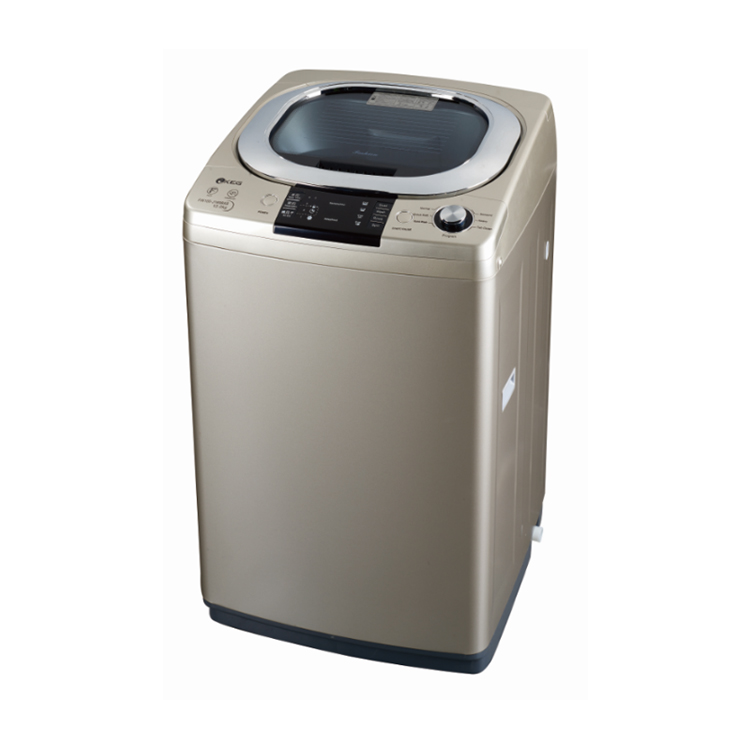
Equipment upgrade: Choose a small underwear washing machine with bucket self-cleaning and silver ion sterilization to reduce cross contamination (such as the Xiyi ACE Pro model with a sterilization rate of 99.99%).
Detergent combination: Adding specialized laundry detergent containing protease components (enzyme content ≥ 1.5%) increases the efficiency of decomposing protein stains by 78%.
2. Key points of hand washing
Instant processing: Wash on the same day to avoid bacterial growth, pre wash bloodstains with cold water (hot water solidifies protein).
Tool assistance: Use a soft bristled brush to gently treat the crotch area to avoid scratching and damaging the fabric with nails.
3. Response to special scenarios
Gynecological inflammation period: Boil and disinfect after hand washing (at 100 ℃ for 5 minutes), or use medical grade antibacterial agents containing PCMX components (such as Xi Rose laundry detergent with an antibacterial rate of 99.9%).
Chemical sensitive population *: Choose neutral laundry detergent without fluorescent agents or phosphides, and pass SGS skin irritation testing certification.
conclusion
The choice of cleaning method should take into account both scientific evidence and individual needs: healthy individuals can choose underwear washing machines, while susceptible individuals or special materials are recommended to undergo hand washing pretreatment and regular machine washing disinfection. The core principle is to build the first line of defense for intimate health through the triple barrier of temperature, isolation, and chemical sterilization.


全国咨询热线
联系人:KEG销售总监
手 机:13750888837
电 话:400-827-3568
公司地址:East Zone, Guanhaiwei Industrial Park, Cixi City, Zhejiang Province, P.R.China
Copyright © 2026 Ningbo KEG Electrical Appliances Co.,LTD All Rights Reserved 地址:East Zone, Guanhaiwei Industrial Park, Cixi City, Zhejiang Province, P.R.China 备案号: 浙ICP备2022037159号 网站地图 (XML) 技术支持: Yini Company