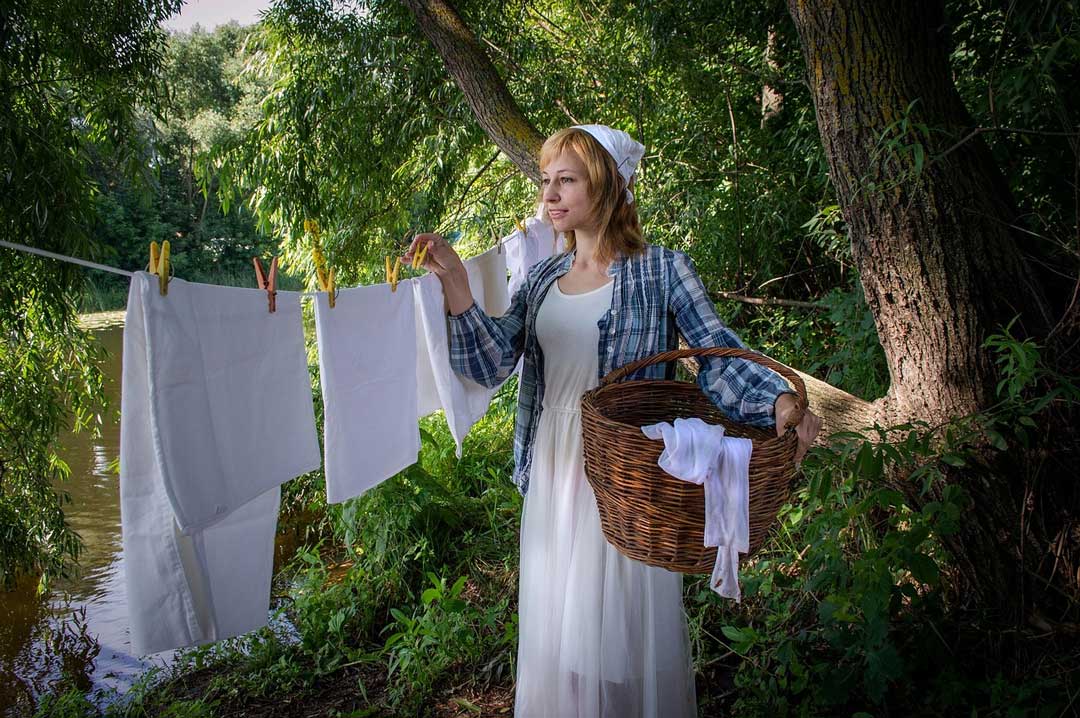
In traditional Chinese culture, laundry may seem like an ordinary household chore, but due to the profound influence of nature worship and agricultural civilization, a series of mysterious taboos have emerged. From the taboo of washing clothes on the second day of the second lunar month to the taboo of avoiding water gods on the first and fifteenth day of the first lunar month, these taboos not only imply the ancient people's reverence for nature, but also reflect the wisdom of life in the era of technological scarcity. The innovation of modern technology, like a "dimensionality reduction strike," has dismantled these millennium old problems one by one and reshaped the relationship between humans and laundry.
Ancient laundry taboos: survival rules under the worship of nature
Ancient laundry taboos were often related to natural beliefs in agricultural societies. For example, on the second day of the second lunar month, when the dragon heads up, laundry is avoided because ancient people believed that "dragon skin" symbolized the water surface, and pounding clothes would "rub open the dragon skin", causing the dragon king to be furious and drought to strike. In addition, the taboo of washing clothes on the first and fifteenth days of the lunar new year is related to the laws of tides and the theory of yin and yang. It is believed that at this time, the yin energy is heavy, and washing clothes will disrupt the natural balance or offend the water god. Although these taboos may seem superstitious, they actually conceal practical considerations: spring plowing requires water conservation, and laundry water consumption can easily conflict with agricultural work; It is difficult to dry clothes in rainy weather, and clothes are prone to bacterial growth.
The ancient way of washing clothes was also full of wisdom and hardship. They used plant ash (alkaline degreasing), soapwort (natural foam agent), bath beans (early soap) made from pig pancreas mixed with soybean powder to clean clothes, and even used Dragon Boat Festival "pure yang water" to wash clothes and exorcise evil spirits. However, physical attacks such as pounding and rubbing can easily damage clothing, and natural detergents have low efficiency. Laundry is still a time-consuming and physically demanding labor.
Modern technology: three major innovations that overturn millennium taboos
The leap of modern technology from "violent cleaning" to "intelligent care" has completely rewritten the rules of laundry:
Intelligent washing replaces the worry of 'dragon injury'
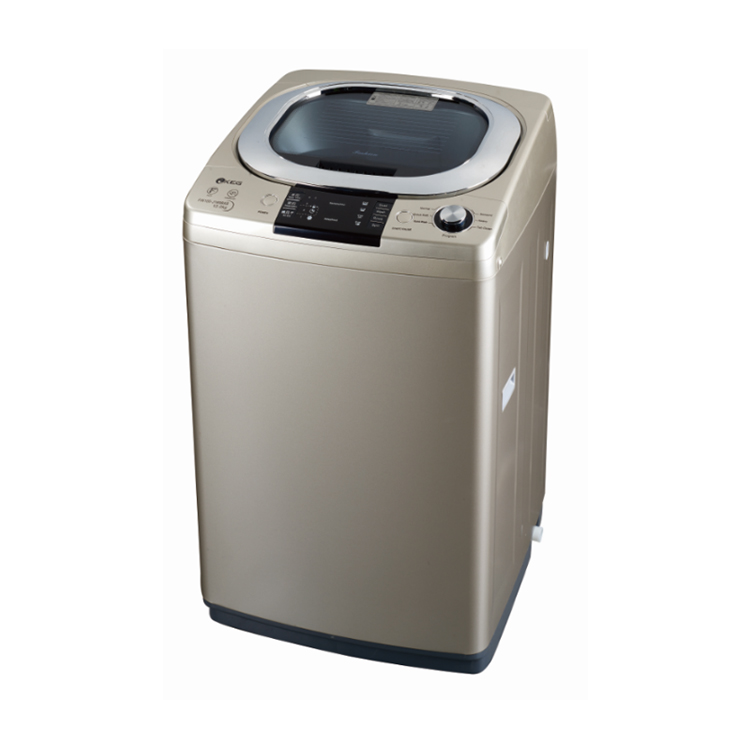
Traditional pounding has been replaced by variable frequency motors, which simulate hand washing through soft start and multi-stage water flow to reduce clothing damage; Intelligent recognition technology can automatically match clothing materials with stain types, allowing fine fabrics such as silk and wool to be gently cared for. Ozone sterilization, nano antibacterial coating and other technologies achieve antibacterial effects while cleaning, avoiding hygiene problems caused by insufficient air drying in ancient times.
Drying technology breaks the taboo of air drying
The heat pump dryer quickly dries clothes through circulating hot air, without relying on sunlight, solving the problems of "clothes blocking the eyes" and "difficult to dry on rainy days". Some devices even combine solar power supply to integrate environmental protection concepts into daily life. The 'Decontamination Revolution' of Chemistry and Biotechnology
The biological enzymes in modern detergents can selectively decompose stains such as proteins and oils, with efficiency far exceeding that of plant ash; Low temperature concentrated formula reduces water consumption and resolves water resource anxiety during the agricultural era. And black technologies such as steam washing and ultrasonic stain removal can achieve deep cleaning with just one cup of water, which can be regarded as the ultimate mockery of the taboo of "damaging dragon skin".
The Modern Inspiration of Cultural Code
Although ancient taboos have been dissolved by technology, their cultural essence is still worth pondering. For example, the essence of avoiding laundry in "Dragon Head Up" is a respect for ecological laws - spring plowing requires water storage and moisture preservation, and the water-saving mode of modern intelligent washing machines (with a single water consumption as low as 14 liters) coincides with this. For example, the emphasis on "natural rhythms" in the theory of yin and yang has evolved into functions such as night time silent mode and staggered electricity consumption in washing machines, balancing convenience and sustainable development.
conclusion
The evolution of laundry history from 'reverence for nature' to 'dialogue with nature' confirms the advancement of human civilization. Modern technology not only solves the survival anxiety of ancient people by reducing dimensions, but also transforms the simple wisdom in taboos into inspiration for green innovation. Nowadays, when we press the start button of the washing machine, it is not only a farewell to the millennium cultural code, but also a tribute to the interweaving of technology and culture.


全国咨询热线
联系人:KEG销售总监
手 机:13750888837
电 话:400-827-3568
公司地址:East Zone, Guanhaiwei Industrial Park, Cixi City, Zhejiang Province, P.R.China
Copyright © 2026 Ningbo KEG Electrical Appliances Co.,LTD All Rights Reserved 地址:East Zone, Guanhaiwei Industrial Park, Cixi City, Zhejiang Province, P.R.China 备案号: 浙ICP备2022037159号 网站地图 (XML) 技术支持: Yini Company